International energy forecasts promise a bright future for hydrogen as an energy carrier. When produced sustainably, hydrogen offers a variety of advantages:

  • Ecology: low emissions, low noise;
  • Energy: it is not a fossil fuel;
  • Innovation high-tech development;
  • Economy: new industry;
  • Autonomy: less dependent on oil cartel countries
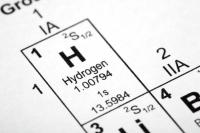
Hydrogen is:

  • is the lightest element in the periodic table - fourteen times lighter than air; 1 Nm3 (normal cubic meter) of hydrogen gas weighs 90 grams;
  • is colourless, odourless, and non-toxic;
  • is not an energy source, but an energy carrier;

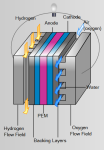
A PEM fuel cell has 4 components:

- The anode, the negative post of the fuel cell, has several jobs. It conducts the electrons that are freed from the hydrogen molecules so that they can be used in an external circuit. It has channels etched into it that disperse the hydrogen gas equally over the surface of the catalyst.

Hydrogen and fuel cells